 519-491-6070
 680, Cathcart Blvd, Sarnia
 info@cathcartdental.com
LINGUAL_BRACES
What is Lingual Braces?
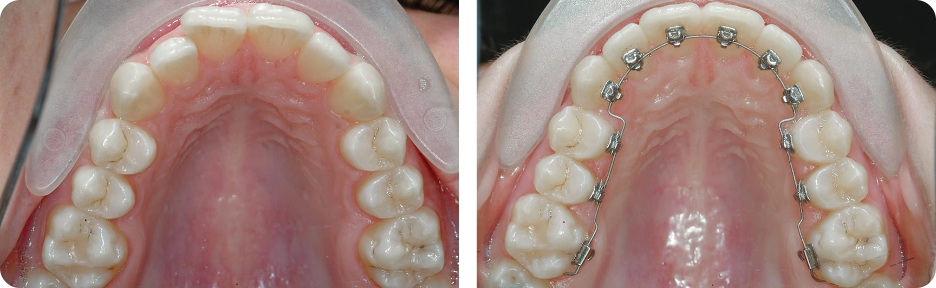
Lingual braces, orthodontic treatment appliances are placed behind the teeth (by the tongue and palate), rather than in front, and therefore offer a great cosmetic alternative for those who want their teeth straightened, without the braces showing.
Play Video
Some common reasons for choosing lingual braces include
- You want to straighten your teeth while maintaining a professional look.
- You are generally concerned about the appearance of braces.
- You play a wind instrument that traditional braces would interfere with.
- You engage in contact sports, and it's safer to have lingual braces.
Who needs lingual braces?
- Lingual braces aren’t right for everyone. Patients with very deep overbites, for example, might run into some trouble with brackets popping off more frequently.
- At your first appointment, your orthodontist will examine your teeth and discuss which treatment options are mostly likely to work well for you.
- If you’re interested in lingual braces, talk to your orthodontist early in the process, because not all orthodontists are trained to apply them
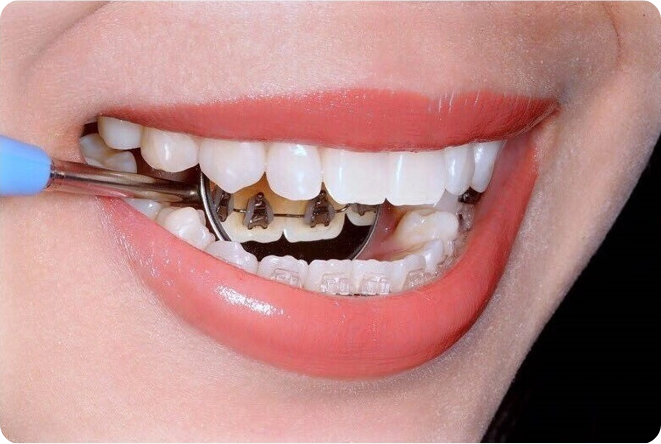
What Can Lingual Braces Fix?
- Abnormal enamel wear
- Worsened speech
- Gum disease
- Issues chewing
- Jaw problems
- Tooth decay
- Eventual tooth loss
Pros And Cons Of Lingual Braces

Pros

Nearly invisible, as they are fixed to the back of the teeth
Can correct almost any bite issue
Can be customized to the person’s specific needs
Potentially less painful
No limitations on playing sports or wind instruments
Cons

May take longer than traditional braces5
Can cause a lisp for longer than conventional braces
Typically more expensive than other types of braces
Not offered by every orthodontist, so may be more difficult to find a provider
Cleaning them can be difficult, as the brackets are closer together than with labial braces
Must follow strict eating habits
White or brown spots or squares can form where the brackets are, although these will not be visible as they’ll be on the inside of the teeth

Benefits of Lingual Braces
- Invisibility
The parts that make up braces — the brackets, wires, and elastic bands — are all mounted on the back of your teeth. Other people can’t see them unless you open your mouth wide.
- Possibly less pain
Studies differ on this idea but seem to favor lingual braces.
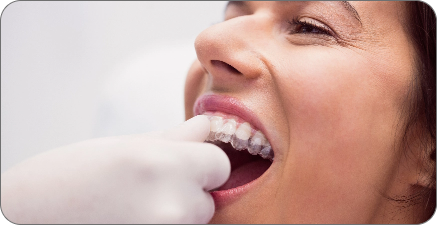
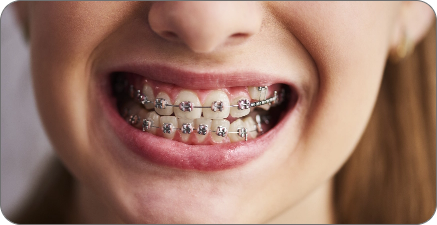
- Fewer lifestyle changes
Wearing braces of any type will mean some changes at first. You may have to first eat soft foods, learn how to clean your braces, and more. But generally, lingual braces may mean fewer lifestyle changes than conventional, labial braces.
- Custom design
Orthodontists can customize lingual braces with computer-aided design and computer-aided manufacturing (CAD/CAM) software.
Types Of Lingual Braces
There are a few different types of lingual or inside braces. They are:
1. Customized lingual braces
Customized to fit each tooth, these braces behind teeth are flat, precise and provide comfort. They are custom-fitted to maximize efficiency and correct your teeth in a smooth manner.
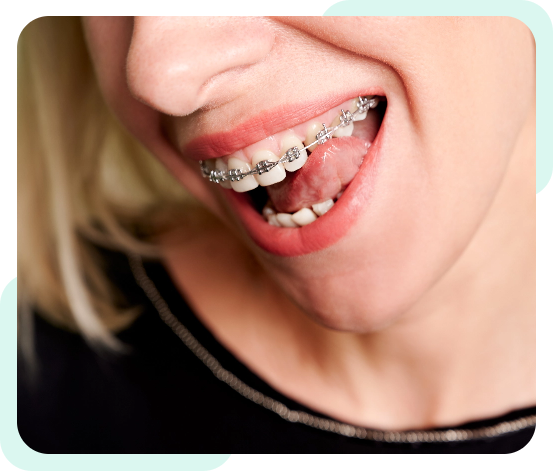

2. Short-term lingual braces
A short-term bonded lingual retainer focuses on the aesthetics of your smile and is fixed to the first 6-8 teeth. They are very similar to other lingual braces types however they only require a short time to enhance your smile.
3. Self-ligating lingual braces
This type of hidden braces are self-ligating, which means that the wires naturally adjust to the teeth movement, which reduces dental clinic visits for tightening every few weeks.
During the Procedure
The process for lingual braces involves taking an impression of the teeth, which is then sent to a dental laboratory and used to create customized brackets. The process takes about six weeks and, once complete, allows the orthodontist to use a specific process to cement the braces onto the back surfaces of your teeth.

Like traditional braces, this product works by applying gentle yet continuous pressure on the teeth, to help them slowly shift into proper position. The treatment can take anywhere from 18-36 months, depending on the severity of a patient’s overcrowding of teeth or their bite.
Play Video
During the Procedure
What can I expect when wearing lingual braces?
During the initial period of the braces being attached to the back of the teeth, there may be a little pain and discomfort for a little longer than with the other fitted braces. Good oral hygiene is important, especially when wearing lingual braces because food particles may become trapped in pockets at the back of teeth. Teeth should be brushed following every meal.


How to take care after the procedure?
- Stay away from hard foods and don’t chew on hard objects such as pens and fingernails.
- Avoid sticky and crunchy foods.
- Do not chew ice.
- Take off the elastics and any other removable parts of your braces before brushing and flossing.
- Thoroughly rinse your mouth with water before brushing.
- Choose an ADA-approved soft-bristled toothbrush.
- Always use a gentle and circular brushing motion.
What are the risks or complications of Lingual Braces
Lingual Braces Can Irritate Your Tongue

Pain in the cheeks.

Pain in the lips.

Experiencing speech difficulties.
FAQ's
1. What makes lingual braces so unique?
Lingual Braces are perfect for those looking to fix their smile, in a more low-key, discreet way. Ideal for those who are self-conscious about wearing ordinary, on show braces, there really is nothing else like them in the orthodontic market. Lingual Braces ensure that nobody has to know about your private journey to the teeth you’ve always dreamed of.
2. Do lingual braces work for everyone?
Lingual braces are very inclusive and are able to cater for a very expansive range of patients, from 13-year olds to more mature adults later on in their lives. After an examination of your teeth and a discussion regarding the type of treatment you will require, your dentist will assist you with your lingual braces, and get you on the road to loving your smile.
3. How will lingual braces improve your life?
Being completely one of a kind and original in the braces market, there are countless benefits of wearing lingual braces. Personalized to fit your own unique mouth shape, it has never been easier to find an orthodontic method that improves your smile, whilst being comfortable, effective and practical at the same time.
4. What do lingual braces consist of?
Similar to ordinary braces, lingual braces act in the same way through the use of tiny metal brackets and archwires. They also mirror normal braces in the sense that a constant, small amount of pressure is applied to your teeth. However, the significant difference between them is that only lingual braces are invisible.
FAQ's

5. How long is the journey for lingual braces?
With no teeth being the same, the range of lingual braces treatment time varies from 6 months to 3 years, depending on the patient’s needs. Your own customized plan will be discussed with you at your consultation, and you will be given a timeframe of how long you will need to wear your lingual braces to achieve the desired outcome.
6. Is speech altered by lingual braces?
Although some minimal changes can sometimes be detected in speech within the first few days of wearing lingual braces, this usually disappears as soon as you become accustomed to wearing them.
7. Will my tooth brushing routine remain the same whilst wearing lingual braces?
As always, healthy teeth that you are proud of require some maintenance and care. This will be discussed with you at your consultation, along with some tips and tricks on how to take more care of your oral hygiene.
8. Will my food choices be limited by wearing lingual braces?
Like with all things health-related, sometimes we need to limit certain foods in order to achieve our desired appearance. Examples of things that you will need to avoid when wearing lingual braces include sticky and hard foods such as chewing gum and nuts, along with objects that are likely to get stuck, such as popcorn.

High Quality Dental Work
That Makes You Good Look
Make an appointment for
your smile make over
your smile make over